How We Generated 10,000 Organic Leads in 6 Months (Real Case Study)
 Lead Generation
 Share
Getting leads without spending on ads sounds ideal, right? But also a bit unrealistic… at least that’s what most people think.
We were in the same place.
Running campaigns, spending money, testing creatives, yet the cost per lead kept increasing. That’s when we decided to go all in on organic lead generation. No ads. No shortcuts.
And honestly? The results surprised even us.
In just 6 months, we generated 10,000+ organic leads using a mix of SEO lead generation, content marketing, and inbound strategies. This is exactly how we did it.
The Problem: High Spend, Low Sustainability
Before switching to organic, our lead generation strategy was heavily dependent on paid ads.
Leads were coming in, yes
But costs were rising every month
And the moment we paused ads… leads dropped to zero
That’s when we realized something important:
Paid ads bring quick results, but organic traffic builds long-term assets. We needed a scalable, cost-effective lead generation system.
Step 1: Building a Strong SEO Foundation
We started with SEO, but this time not in a random way like before. Earlier, we were just picking keywords and writing blogs without really understanding what people actually want. This time, we focused more on intent — like why someone is searching for a particular thing, what problem they are trying to solve, and how a branding and digital marketing agency can create content that actually matches those needs.
We worked on two main things:
- Search intent mapping (understanding user mindset)
- Keyword clustering (covering topics instead of single keywords)
Instead of writing general content, we started targeting long-tail keywords like:
- How to generate leads online
- SEO lead generation strategies 2026
- Inbound lead generation examples
Also, we stopped writing for everyone. We made content for specific problems.
For example, instead of “digital marketing tips”, we wrote something like “how to increase website leads organically for service businesses”. This small change actually brought better results. The traffic we started getting was more relevant, and those users were more likely to convert into organic traffic leads.
Step 2: Content That Actually Converts
Getting traffic is one thing, but getting leads is totally different. We had blogs getting views, but users were just reading and leaving. That’s when we realized the content was not built to convert.
So we changed the approach.
Every blog was written in a simple problem-solution format, with real-life kind of examples so users can relate. We also made sure each blog had a clear direction on what to do next.
We focused on:
- Clear structure (problem – solution – action)
- Strong but natural CTAs
- Internal links to relevant service pages
We also added:
- Lead magnets (like free guides, checklists)
- Simple forms (less fields, easy to fill)
Because of this, users didn’t just read anymore… they started taking actions. This improved our website lead generation rate gradually, not instantly but steadily.
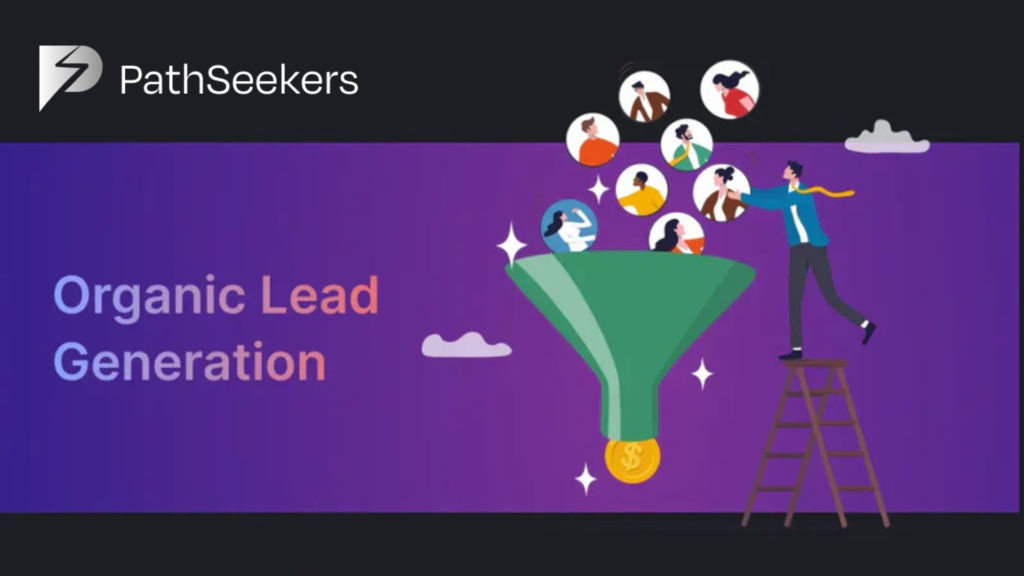
Step 3: Creating a Simple Inbound Funnel
We didn’t complicate things too much. No heavy automation or confusing funnel structure. Just a simple flow that actually makes sense.
It looked like this:
- Blog (to bring traffic)
- Lead magnet (to capture users)
- Email nurturing (to build trust)
- Offer (to convert)
What really worked here was consistency. We didn’t try to sell immediately. Instead, we focused on giving value through emails and content.
Some key things we did:
- Sent helpful and educational emails
- Focused on solving small problems first
- Built trust before pitching anything
Over time, this improved our lead conversion rate. Even with the same traffic, we were getting more leads because the process was smoother.
Step 4: Optimizing for Conversions (CRO)
Once traffic started coming in, we noticed that not everyone was converting. That’s when we started working on CRO, basically improving what happens after users land on the website.
We didn’t do anything very complex, just small improvements:
- Better landing page design
- Faster website speed
- Clear and visible CTAs
- Less distractions on page
We also tested different variations
- Headlines
- Button placements
- Content length
Some changes worked, some didn’t, but overall it improved performance. It made us realize something important, sometimes problem is not traffic, it’s what happens after traffic comes.
Step 5: Consistency Over Virality
We didn’t go viral at any point. No sudden growth or overnight results. It was slow and sometimes felt like nothing is working.
But we stayed consistent.
Published 3 – 4 SEO blogs every week
Focused on organic growth marketing
Kept building authority in our niche
After around 3 months, we started seeing small improvements. Then slowly it kept growing. By 6 months, it actually became a strong system.
Most people quit early because results take time. But organic lead generation works differently. It grows slowly in the beginning, but once it picks up, it becomes very strong and sustainable.
The Results (After 6 Months)
After 6 months, things actually started making sense. Not suddenly, but gradually everything started adding up. Traffic was growing, leads were coming in, and most importantly, it was consistent.
Here’s what changed:
- 10,000+ organic leads generated
- Massive increase in organic traffic (not just numbers, but relevant users)
- Lower cost per lead (almost negligible compared to paid ads)
- Consistent inbound inquiries coming through website
And honestly, the best part is not even the numbers.
Even today, those same blogs are still working in the background. Still bringing traffic, still generating leads without any extra spend. That’s where you really understand the power of SEO lead generation. It’s not one-time effort, it keeps giving results over time.
Key Learnings (What Actually Worked)
If someone is planning to build a proper lead generation strategy, these are few things that actually made the difference for us. Not theory, but what worked practically.
Focus on intent, not just keywords
Getting traffic is easy, but if intent is wrong, it won’t convert. We learned this little late honestly.
Content should solve real problems
Just writing for SEO doesn’t work anymore. Content needs to feel useful, otherwise people just leave.
Don’t ignore the funnel
Traffic alone is not enough. It has to go somewhere:
– Traffic – Capture – Nurture – Convert
Optimize constantly
Small changes like CTA, layout, speed… they look minor but they adds up over time.
Be patient
This is the hardest part. Organic growth takes time, sometimes it feels nothing is happening. But once it starts, it grows fast.
Final Thoughts
If you are tired of putting money again and again into ads, and still not getting stable results, then shifting to organic lead generation makes a lot of sense.
It’s not quick, and definitely not easy. It needs consistency, patience, and proper strategy.
But it works.
And once it starts working… it kind of keeps working in the background, even when you are not actively doing anything.
That’s the real advantage.